Tag Archive: testosterone therapy san diego

  1. Does Low T Cause Baldness?

    Leave a Comment

    There is a persistent myth out there that low testosterone levels, or Low T, causes baldness. The reality is that baldness, in both men and women, may arise from a number of factors, and testosterone is not one of them. A testosterone therapy program from our San Diego doctors can help restore testosterone levels to normal, but will it impact the hair on your head?

    True Causes of Baldness

    When most people think of baldness, they probably envision androgenic alopecia, or male pattern baldness, the most common form of hair loss in men. For this type of baldness, the trigger is a hormone called DHT.

    Medical science does not yet fully understand the way DHT affects hair growth. However, studies show that when men are genetically predispositioned, DHT causes deterioration of the hair follicle. The growth phase of the hair shaft is then shortened, and hair is no longer able to mature properly. Over time, this hair becomes increasingly thinner until the follicle eventually becomes completely dormant.

    Hormone Treatment

    For many men in San Diego, male hormone replacement therapy is a successful treatment for low T. As we age, our hormone production changes, causing all kinds of physical and mental issues like low energy, mood swings and changes in libido and sexual performance. There is a long list of things that hormone therapy can accomplish.

    One thing Low T is not responsible for, however, is going bald. While hormone replacement can resolve many other physical and emotional symptoms of testosterone imbalance, the treatment won’t cause your hair to grow back. Once your lifestyle reflects your newfound energy, though, you’ll be too busy to notice a few missing hairs.

    Need Hair Restoration?

    If you need to restore your hair, Total T Clinic offers hair restoration treatments using PRP therapy. Get your hair back naturally, with some easy steps.

    Learn more here.

  2. How Testosterone Is Made

    Leave a Comment


    Testosterone therapy helps San Diego men increase their T levels when their bodies aren’t producing enough naturally. What’s the process for making testosterone in the first place, and how can a balance be restored?

    The Life of Testosterone

    Testosterone production is very complex. Approximately 95 percent of testosterone is produced in the testicles, with the remainder made in the adrenal glands. The process starts out with a message from the brain; the hypothalamus is responsible for detecting when the body needs more testosterone, and releases a chemical message via a special hormone that travels to the pituitary gland.

    Once the pituitary gland hears from the brain, it creates two more hormones, FSH and LH, that travel to the testicles. These hormones stimulate sperm production, and also tell the Leydig cells to produce more testosterone. Leydig cells actually create testosterone by absorbing cholesterol from the bloodstream and converting it into testosterone. If cholesterol levels are low, the testicles themselves can produce enough to continue the process.

    After testosterone is produced, it’s released into the bloodstream. Some of it binds to protein, while the rest circulates throughout the body. Once the hypothalamus detects that enough testosterone has been released, it tells the body to slow hormone production back down.

    How Hormone Therapy Helps

    The testosterone therapy doctors at ENERGENEX can accurately measure your testosterone levels to see if your body is producing and circulating enough testosterone. From there, a customized hormone replacement program will be designed to return your body to optimum health.

  3. How to Lose Belly Fat with Testosterone Therapy

    Leave a Comment


    Men who have been struggling with stubborn belly fat probably aren’t thinking much about their hormone levels, but low testosterone may be the primary culprit in extra pounds around the midsection. For many men, testosterone replacement therapy can be the perfect complementary treatment to diet and exercise to help lose belly fat and keep it off for good.

    The Belly Fat Connection

    Extra weight that collects around the belly is a prime indicator of hormone imbalance, including low testosterone as well as high estrogen (in women) and low DHEA (an adrenal hormone). Belly fat is also an indicator of high insulin and high cortisol levels. If you tend to gain weight around the abdomen, your body shape also indicates that you’re at higher risk for heart disease as well as diabetes.

    When most of us start noticing extra weight gain, our first instinct is to adjust our diet and exercise to try and slim back down. When the excess weight is due to hormonal imbalance, however, the weight will linger until the underlying cause is resolved. Testosterone therapy from the San Diego doctors at ENERGENEX helps correct hormone imbalance, bringing your body’s systems back to optimal health to help you lose your belly fat as well as improve your energy levels and feel like yourself again.

    The Human Machine

    Few people realize the incredible complexity of the human body and how many hormones have to be in proper ratio with each other in order to function at your best. Although belly fat may be one of the more obvious and frustrating symptoms of hormone imbalance, losing the weight is definitely possible with the right combination of hormone therapy and lifestyle changes.

  4. Low T: Causes and Effects

    Leave a Comment

    For men in San Diego with Low T, it can be hard to know which of your symptoms are causing your low testosterone levels, and which show up as an effect of having low testosterone. Sometimes they seem interchangeable, leaving you wondering which health issues you should treat first.

    Physical Changes

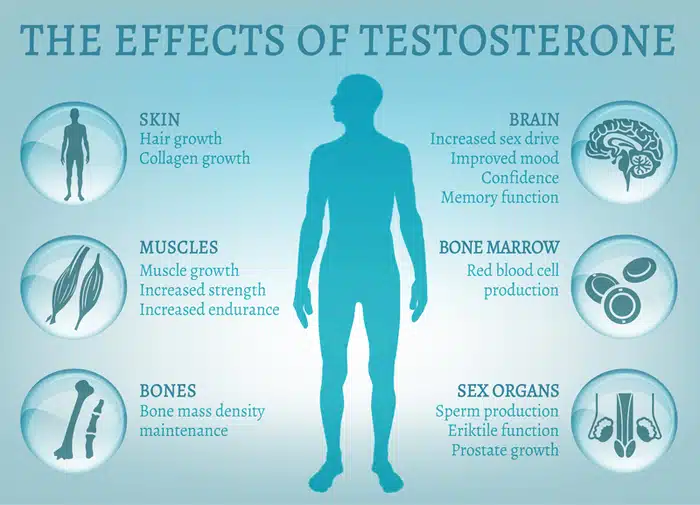
    Testosterone is a critical component in regulating fat metabolism, as well as glucose and insulin. With lower testosterone levels, the body has trouble regulating these functions, which in turn causes an increase in fat cells. Too much fat can also cause testosterone levels to decrease, converting testosterone into estrogen instead. Accordingly, obese men typically have Low T. Testosterone also increases muscle mass, muscle strength and bone density. Older men who are diagnosed with osteoporosis, or bone loss, are also found to have lower than average testosterone levels.

    Emotional Impact

    Many of the symptoms of Low T are subjective, such as mood swings or feelings of irritability. Men who have been diagnosed with clinical depression are usually found to be testosterone deficient as well. Although doctors have been unable to determine whether Low T is responsible for causing depression, or whether depression depletes testosterone levels, many San Diego men do report that their feelings of depression and moodiness lessen after undergoing testosterone therapy.

    Whether your physical and emotional issues are partially caused by Low T, or whether testosterone levels decline because of those issues can be hard to say. What’s clear, though, is that testosterone therapy will bring those Low T levels back up to normal and improve your physical and emotional health, regardless of cause or effect.

  5. 3 Types of Testosterone

    Leave a Comment

    For men who are considering the benefits of testosterone therapy in San Diego, you may be surprised to learn that the body has not just one, but three different subtypes of testosterone.

    SHBG-Bound Testosterone

    Half of the testosterone in the male body is bound to a special protein called SHBG, or sex hormone binding globulin. Produced in the liver, SHBG plays an important part in regulating how much free testosterone is circulating throughout the body. The body can’t access SHBG-bound testosterone to boost energy levels or help build muscle, because the protein binding process renders this testosterone biologically inactive.

    Albumin-Bound Testosterone

    This subtype of testosterone is bound to a protein as well, which is also produced by the liver. Although albumin-bound testosterone is also biologically inactive, the bond between testosterone and albumin is much weaker than in SHBG-bound testosterone, and can be easily broken down so the body can access testosterone in a free state if needed.

    Free Testosterone

    Free T is not bound to any other molecules or proteins, leaving it free to enter cells and activate the necessary receptors for proper functioning. This type of testosterone is very minimal in the body, accounting for only 2 to 3 percent of total overall testosterone levels. Increasing the amount of Free T in the bloodstream will maximize the benefits of testosterone.

    Male hormone replacement therapy from ENERGENEX in San Diego helps increase the amount of free testosterone in the body, making it more accessible to your cells. This helps to increase energy levels and alleviate the symptoms of Low T, bringing you back to optimum health.

  6. The Link between Low Testosterone and Hair Loss

    Leave a Comment

    Although there can be multiple factors which contribute to hair loss, testosterone therapy from our San Diego facility may be able to help. Both men and women can be affected by hormone-related hair loss, and correcting the underlying hormone imbalances can stop the problem.

    Androgenetic Alopecia
    Androgenetic alopecia is a form of hair loss which is directly related to your testosterone levels. Testosterone is needed to produce DHT, the hormone which directly affects hair growth. Low testosterone levels mean low DHT levels, which leads to androgenetic alopecia.  Hair loss is caused by a combination of low testosterone levels and higher than normal androgen levels.

    This hereditary disorder is primarily characterized by thinning hair, and can affect either men or women. In men, androgenetic alopecia presents first at the temples, and back of the head, then may spread out until the entire top of the head is bald. In women, symptoms present as diffuse thinning across the scalp.

    Hormone Treatment
    Testosterone therapy can help return hormone levels back to their proper balance and circulation, resolving the underlying cause of this form of hair loss. As a result, continued loss and thinning of hair can be slowed or even stopped. In fact, very early treatment can even result in hair regrowth.

    In addition to hair loss, low testosterone levels can impact energy levels, moods and sexual performance. Restoring balance to your body can no only stop the progression of hair loss, but also restore a youthful vitality to multiple aspects of your life.